
Collecting Canadian art: finding what you like and how to build your collection
Updated: Apr 13
When it comes to exploring the vibrant world of Canadian art, there’s a rich history of styles, stories, colours and landscapes waiting to be discovered. Whether you’re drawn to the rugged wilderness of the Canadian Shield and endless prairies or urban scenes and abstract expressionism, there is a piece of art waiting to be discovered by you. This guide will walks through the essentials of buying art and will give you some ideas on how to find pieces that you vibe with.
Buying Canadian Art Matters
Canadian art reflects the country’s different cultures and diverse landscapes. Collecting Canadian art isn't just about owning a beautiful piece but connecting deeply with a story, a place, and an artist’s creative vision. When you invest in Canadian art, you support local artists and ensure they can keep sharing the visual stories that define us as a nation.

What to Look for When Buying Canadian Contemporary Art
When you’re ready to buy, consider these key points:
Authenticity: If authenticity matters to you and your collection, ensure the artwork is original or a limited edition print or risograph. Keep in mind that if you are buying a copy of an original piece of art, you are buying an unlimited reproduction, and not a print. Printmaking is a method of making fine art and is produced in limited numbers.
Artist Background: Research the artist’s career, exhibitions, and style. This helps you understand the value and story behind the piece, and enables you to make a decision if the artist behind the artwork is someone you wish to invest in. Bad people can make beautiful things and, if an artist's background matters, then understanding their motivations and background will help you make the right choice for your collection.
Medium and Technique: Canadian artists use various media from oil and acrylic to mixed media and beyond. In addition to choosing what appeals to you and fits your space, consider the characteristics of the space that you will be installing your artwork in as medium can have an influence on longevity.
Size and Placement: Think about where you want the artwork to live. Large canvases make bold statements, while smaller pieces add subtle charm or be grouped in a collection of other artworks on a wall.
Budget: Set a realistic budget. Canadian contemporary art offers options for every price range, from emerging artists to established names. You may also be eligible to receive financing to acquire art, and can see more information about that at Art Lease Canada.

Where to Find Canadian Art
Making the right choice for you can feel daunting with so many options available through commercial galleries, art markets, and online shops. And the route you opt to go with to find art for your home really depends on your shopping and collecting preferences:
Galleries: Commercial art galleries often showcase Canadian artists and provide expert advice on selecting a piece to complement your home or business, longevity of the materials used to create the art, and often offer installation services to hang your new art work. Visiting commercial galleries allows you to see the art up close and in person, as well as providing an opportunity to discuss your options with knowledgeable staff.
Commercial galleries will receive a commission on the sale of each artwork (typically between 30% - 50%). This commission helps commercial galleries to pay their staff, marketing costs, and to keep the lights on.
Local Art Fairs and Markets: These events are perfect for discovering new artists as they tend to have a broad range of artists, styles, and smaller commercial galleries. These events also offer opportunities to meet with artists, and learn about their work directly from them.
These types of fairs and markets can sometimes take a commission from the sale of artworks though artists typically pay a vendor fee to participate.
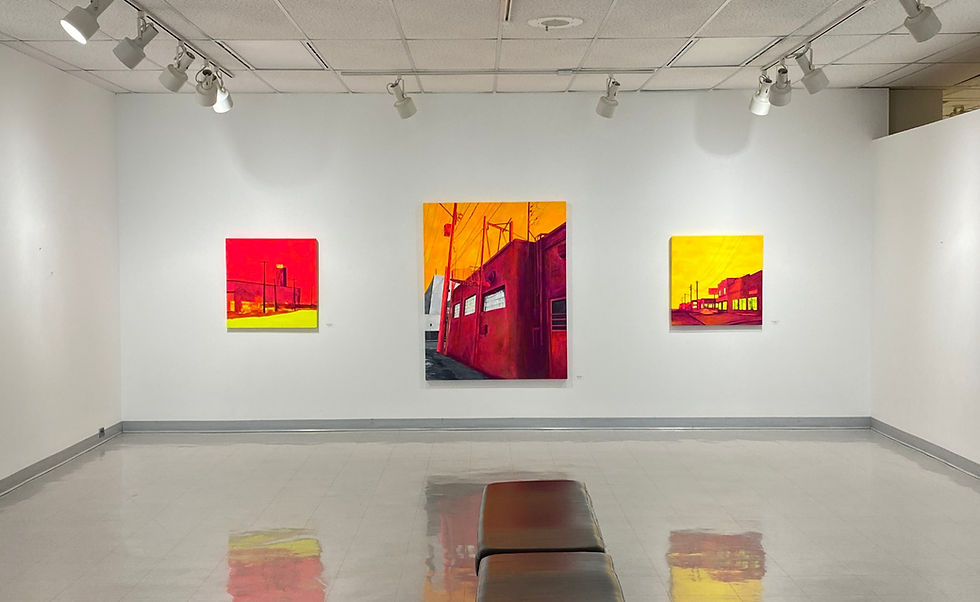
Art Exhibitions: Art exhibitions in a public or collegiate gallery space offer an ability to browse the art without directly interacting with sales staff. Attending exhibition openings offer an opportunity to interact with other art enthusiasts and, often times, the artist(s). The benefit of visiting art exhibitions is they display a cohesive body of work, so you can get a sense of the overarching creative vision of a particular artist, or group of artists.
The exhibiting space typically receives a commission from each piece sold (typically between 10% - 50% depending on the type of gallery).
Online Platforms: The digital age and rise in social media and e-commerce storefronts has made art more accessible to collect, across a range in price points. Websites specializing in Canadian art provide a wide selection and detailed descriptions. For example, browsing websites like Artists in Canada will help to connect you with a curated collection of Canadian contemporary art work.
Unless the online platform is a commercial or social website owned by the artist, the website provider will typically receive a commission from each piece sold (between 5% - 50%, depending on the online platform).
Tips for Buying Art Online
Be wary of fraudulent websites pretending to be an artist or a gallery, and verify the seller’s reputation by using search engines, Google reviews, or browsing comments by other collectors on social media posts
If the artist is unknown to you or if their website is lacking detailed information, request high-resolution images and detailed descriptions of the pieces you're interested in
Ask about return policies and shipping insurance
If possible, visit the artist’s studio or gallery before purchasing
Artists want to sell and deliver their artwork. Therefore, there should be one agreed upon price for the artwork, framing, and shipping/delivery prior to money exchanging hands. If you are asked to pay more once you have already paid the invoice in full, consider this an indication that this may not be a legitimate sale.
Choosing Your Art
Choosing the right piece of art can feel overwhelming, especially if you are unsure of your preferences, doubt your colour matching skills, or really don't feel confident picking the right piece for your home. For many people, choosing original fine art involves deep emotional connections and personal reflections.
Here's some ideas for getting started and figuring out what might work for your collection:
Explore Various Styles: Take the time to explore different styles of Canadian contemporary art. Visit galleries, museums, and online platforms to see a range of works.
Attend Art Fairs and Exhibitions: Check out local art events. These gatherings provide opportunities to see a variety of artists and styles in one place.
Educate Yourself: Read books, articles, or watch documentaries about contemporary art. Understanding the context and background of various movements can help clarify your tastes.
Reflect on Personal Experiences: Consider what themes or subjects resonate with you personally. Art often reflects emotions, memories, or experiences.
Seek Guidance: Grab a coffee with a knowledgeable friend or visit
commercial galleries and chat with the staff. They can provide insights and recommendations based on your interests.
Experiment: Don’t hesitate to try out different pieces by collecting lower priced works from established or emerging artists to "test drive" art collecting. Prints or small original paintings can offer affordable options for price conscious collectors.
Happy art discovery! Remember that every piece you choose is a story, a connection, and a celebration of Canada’s vibrant creative past, present, and future.
Need More Help?
Here's some other articles offering detailed guidance on caring for your new artwork or installing it in your home.
Comments